

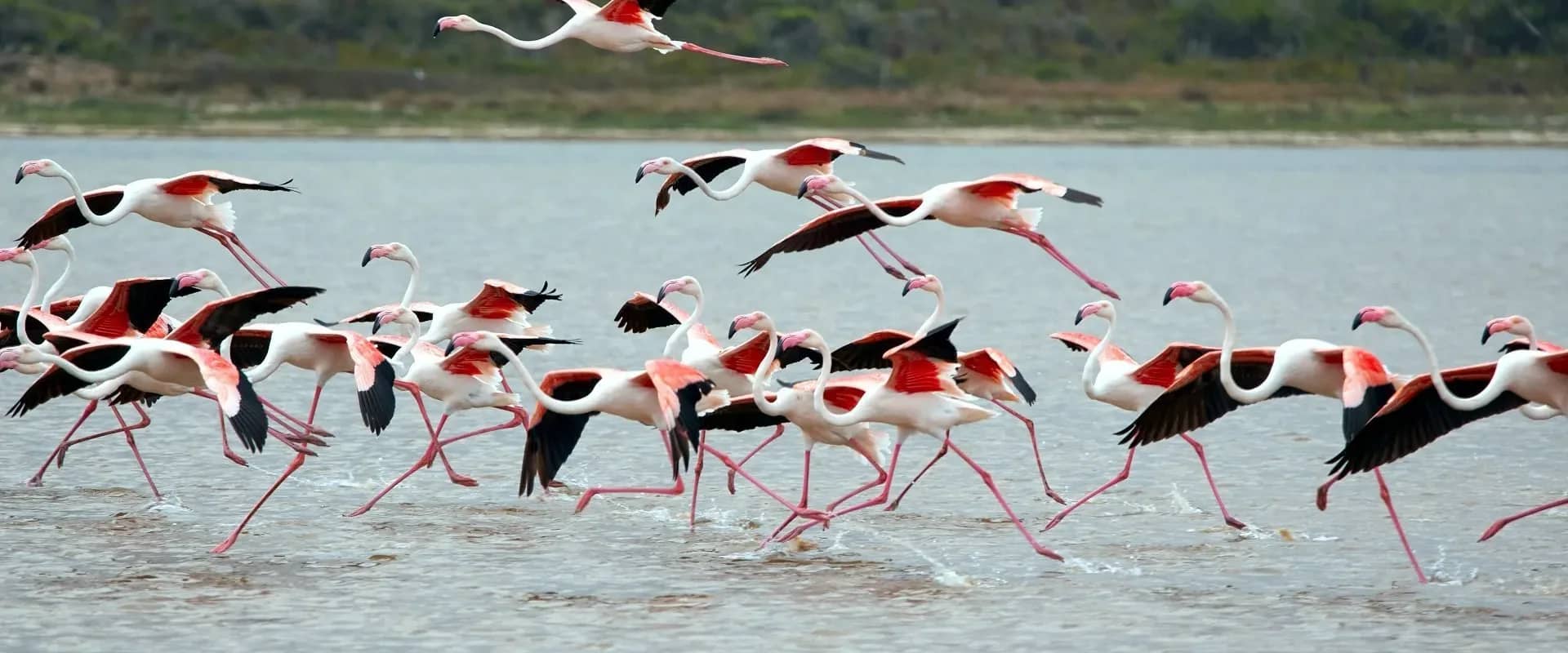
Lake Nakuru
Add a Rift Valley lake, rhino country and a contrasting compact park.
Kenya destination
Big skies, legendary wildlife and the drama of the Great Migration.
Kenya's most celebrated safari landscape brings together vast grassland, big cats, year-round wildlife and a natural connection to the Serengeti ecosystem.
Southwestern Kenya · Serengeti ecosystem
Destination snapshot
The case for the Mara
The appeal is not one single event. It is the combination of open country, active predators, resident herds and routes that connect naturally with the rest of Kenya.
Predator sightings across open plains and riverine woodland
Resident wildlife throughout the year
Seasonal migration movement through the wider ecosystem
Easy combinations with Rift Valley lakes and southern Kenya
Signature species
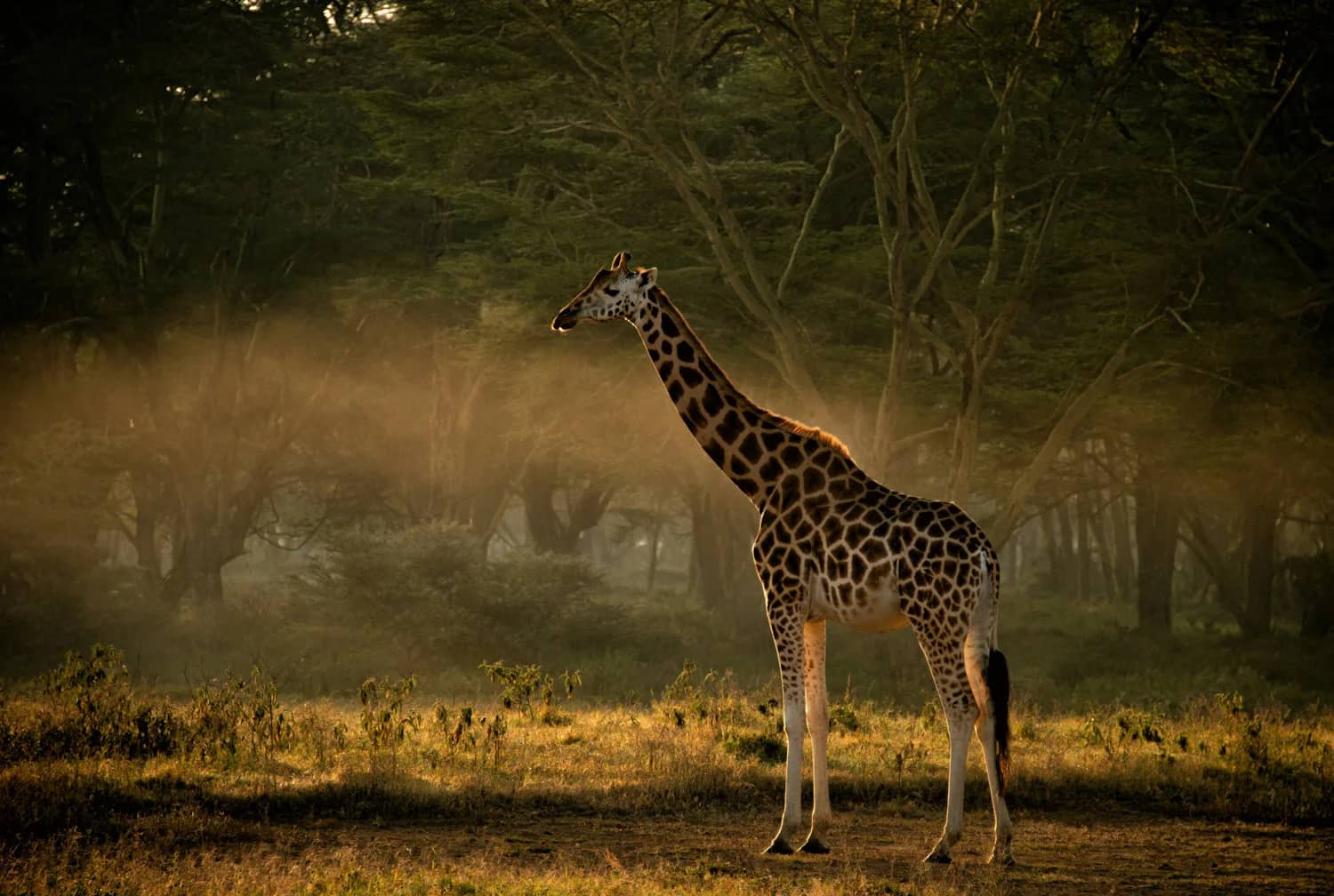
Lion, cheetah, leopard, elephant, giraffe, wildebeest, zebra and spotted hyena all form part of a much larger living system.
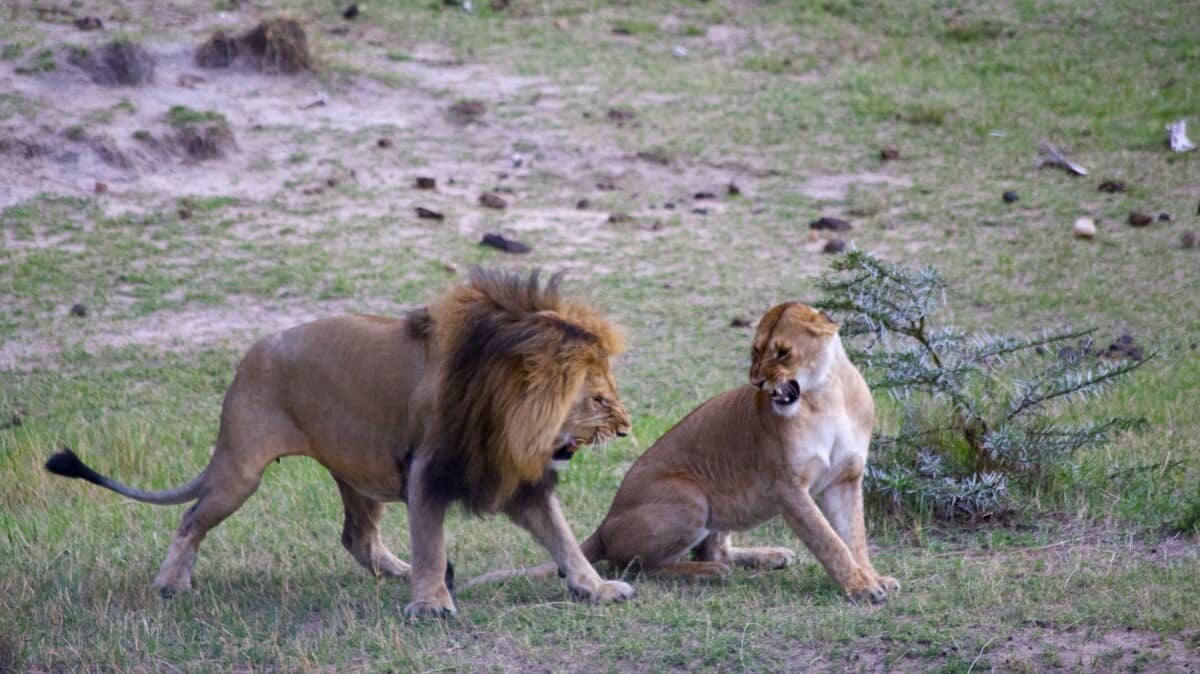
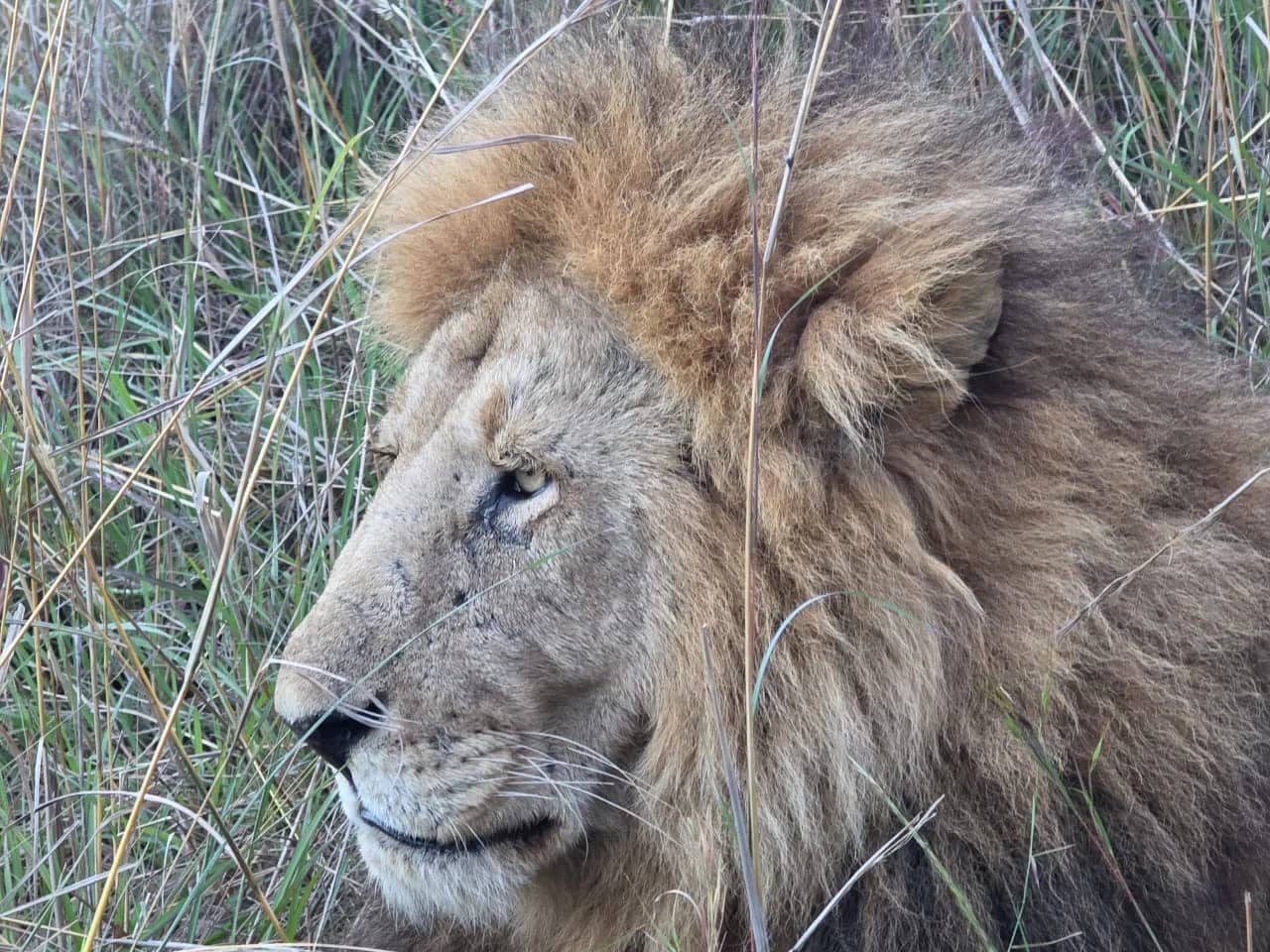
Pride territories extend across the open grassland and river systems.
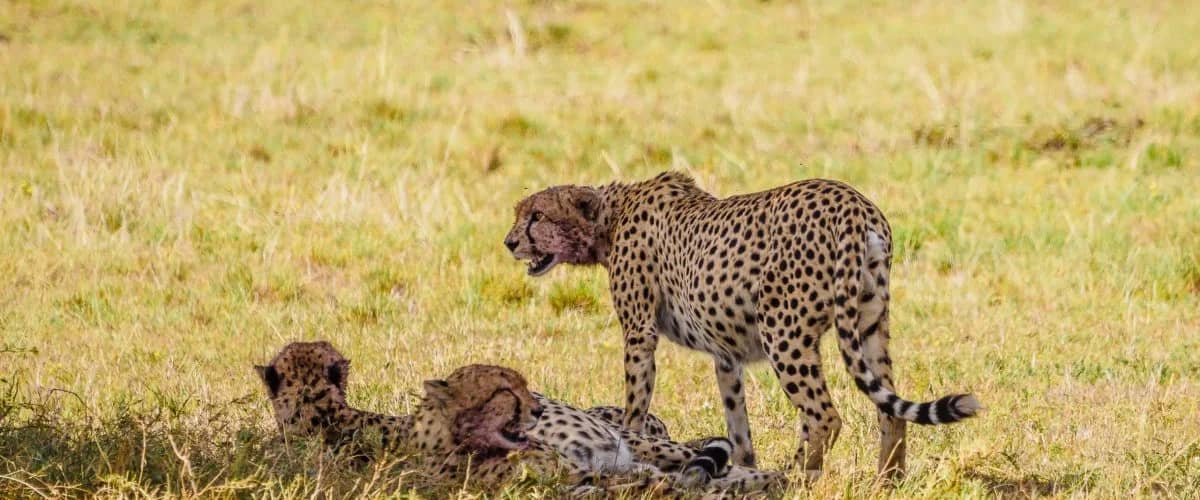
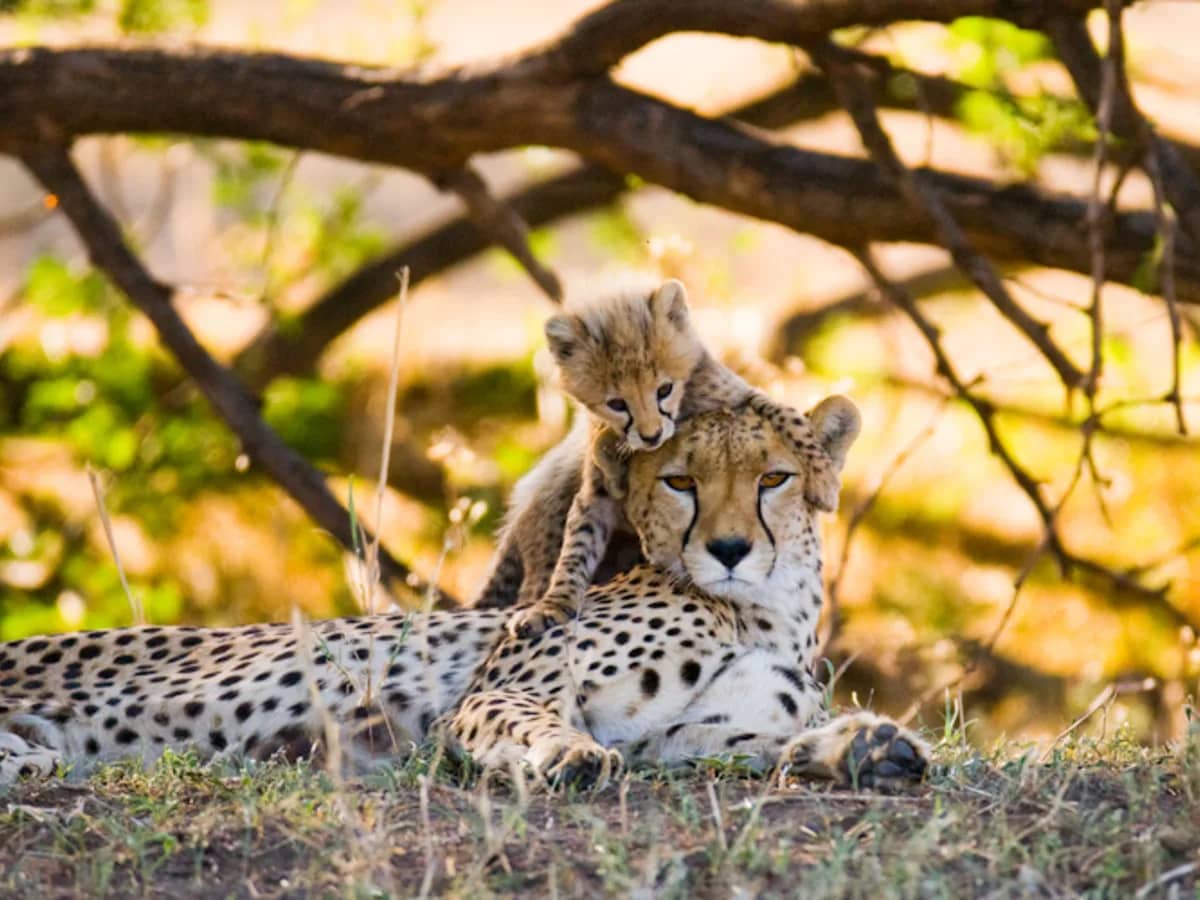
Open plains give these fast hunters room to scan and move.
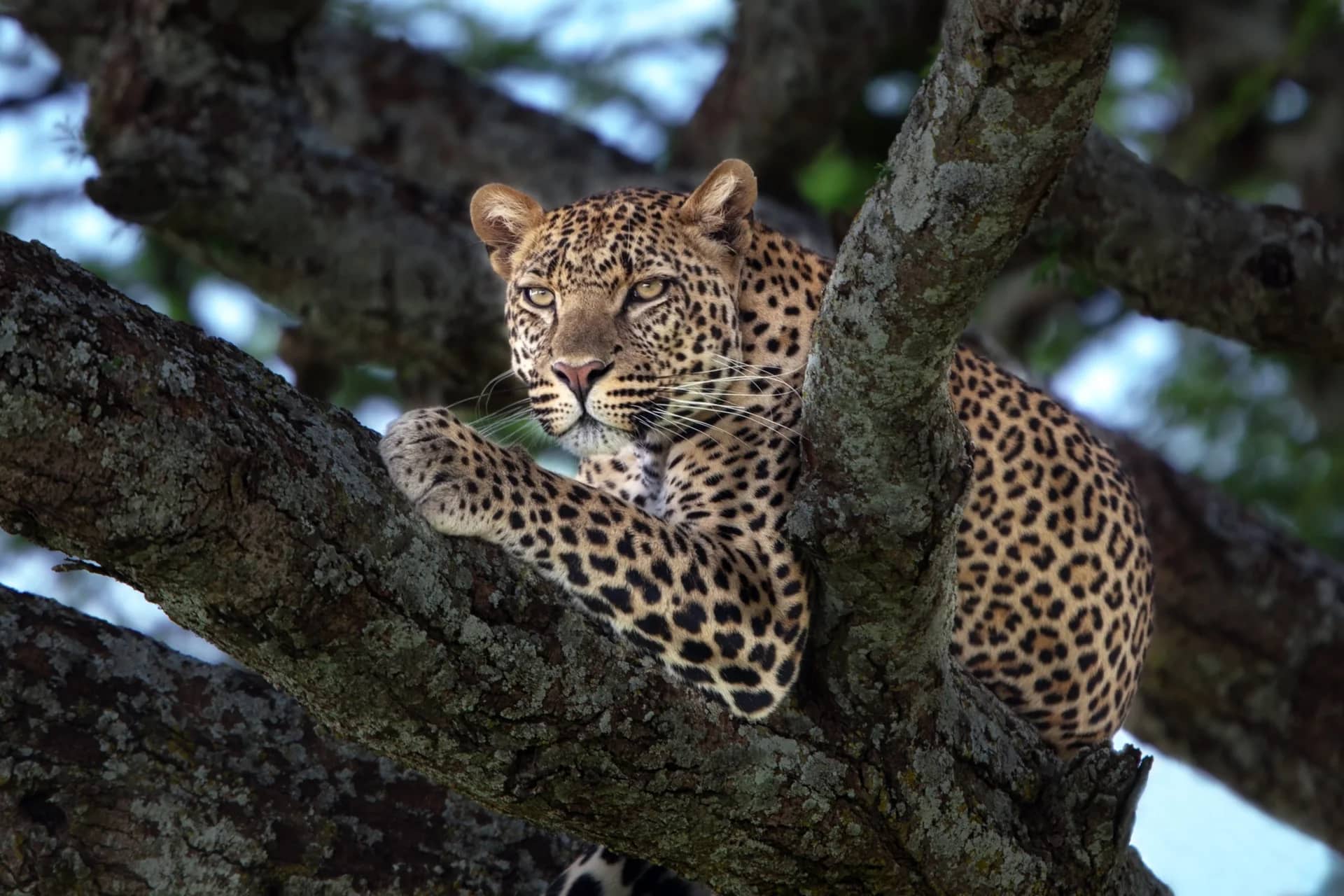
Riverine woodland and rocky outcrops offer cover for this elusive cat.
Highly social clans are an important part of the Mara's predator story.
Plan by season
There is no single correct month. Wildlife stays in the Mara year-round; weather, visitor levels and migration possibilities change the character of a trip.
Jan–Mar
Warm, often drier conditions with rewarding resident wildlife viewing.
Apr–May
Greener landscapes, dramatic skies and fewer visitors in some periods.
Jun
The plains begin to dry as seasonal movement develops across the ecosystem.
Jul–Oct
Large herds may enter the Mara, depending on rainfall and grazing conditions.
Nov–Dec
Fresh grass returns and excellent resident wildlife remains possible.
Important: Migration movements depend on rainfall and grazing conditions and vary from year to year.
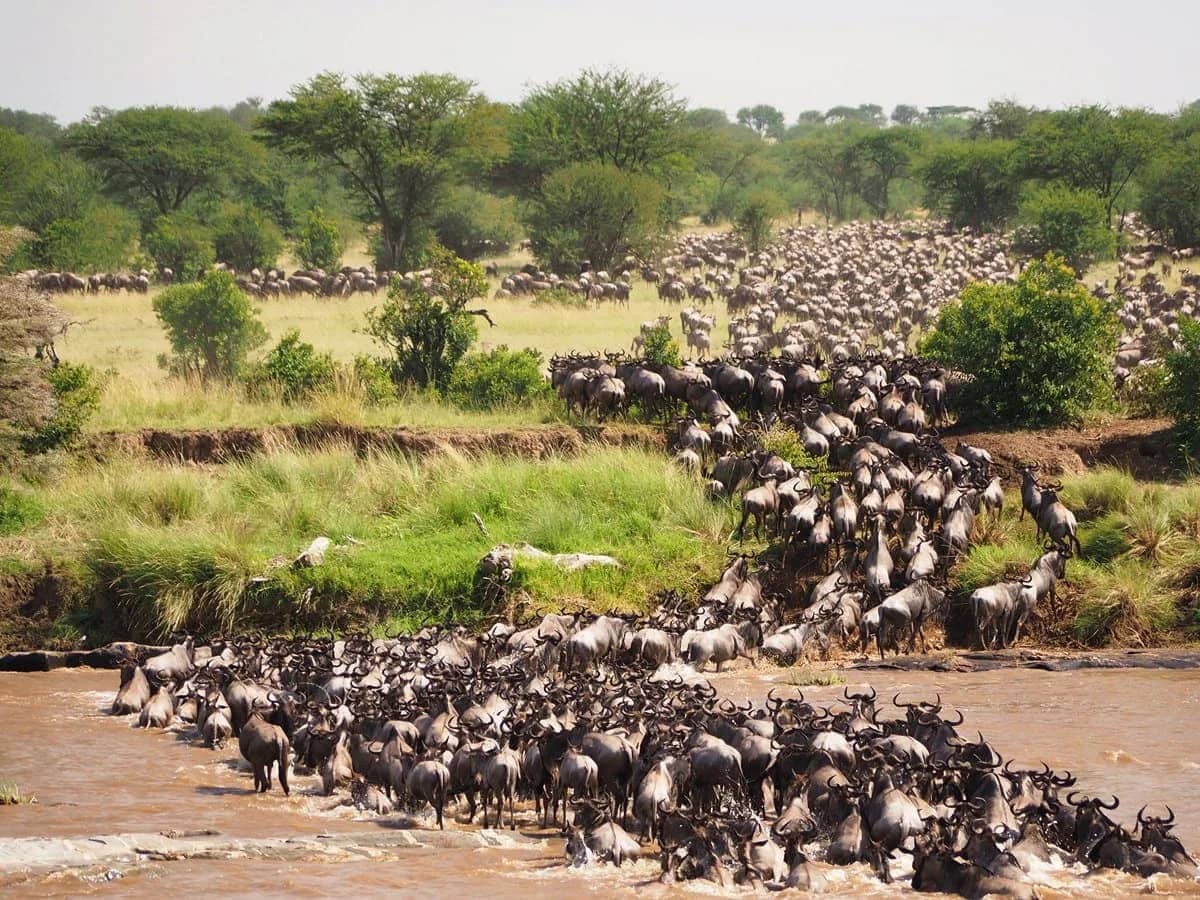
Seasonal movement
The Maasai Mara is the northern reach of the Serengeti–Mara migration ecosystem. Wildebeest and zebra follow seasonal grazing, sometimes gathering near the Mara River before moving between Kenya and Tanzania.
River crossings and arrival dates cannot be scheduled precisely. Conditions, not calendars, guide the herds.
Accommodation choices
Choose an area before choosing a room. Reserve access, driving time, privacy and permitted activities can shape the safari more than a category label.
Close to central game-viewing areas, with direct access to the reserve atmosphere and popular routes.
Lower vehicle density in many areas, with activities such as walking or night drives where permitted.
Simple tented bases outside reserve boundaries can keep costs lower while retaining daily game-drive access.
Options range from practical mid-range lodges to refined tented stays; location matters as much as room style.
Accommodation descriptions are planning guidance. Named properties and availability are confirmed with each quotation.
Safari experience
Each safari runs differently, but many days follow the wildlife-friendly rhythm of early and late light.
Head out while temperatures are cooler and wildlife is often active.
Return for breakfast or continue exploring when sightings and distances make it worthwhile.
Rest at camp, enjoy the landscape or reposition for a different area.
Take a second game drive before dinner and an unhurried evening at camp.
Drive schedules vary by package, season, park rules and the interests of each group.
Culture and community
Optional community visits can offer thoughtful learning about contemporary Maasai life and traditions when arranged respectfully, locally and with clear benefit to hosts. They should never treat people or culture as scenery.
Ask about community visitsAccess
Road safaris make the journey part of a wider Kenya route. Conditions and the chosen Mara sector affect timing.
Common fly-in connections use several Mara airstrips. Your camp location determines the most practical arrival point.
Private transfers offer flexibility; shared departures can reduce cost. Both usually begin with a confirmed Nairobi meeting point.
Build a wider route
Each pairing changes the pace, landscape and wildlife emphasis of the journey.
Add a Rift Valley lake, rhino country and a contrasting compact park.
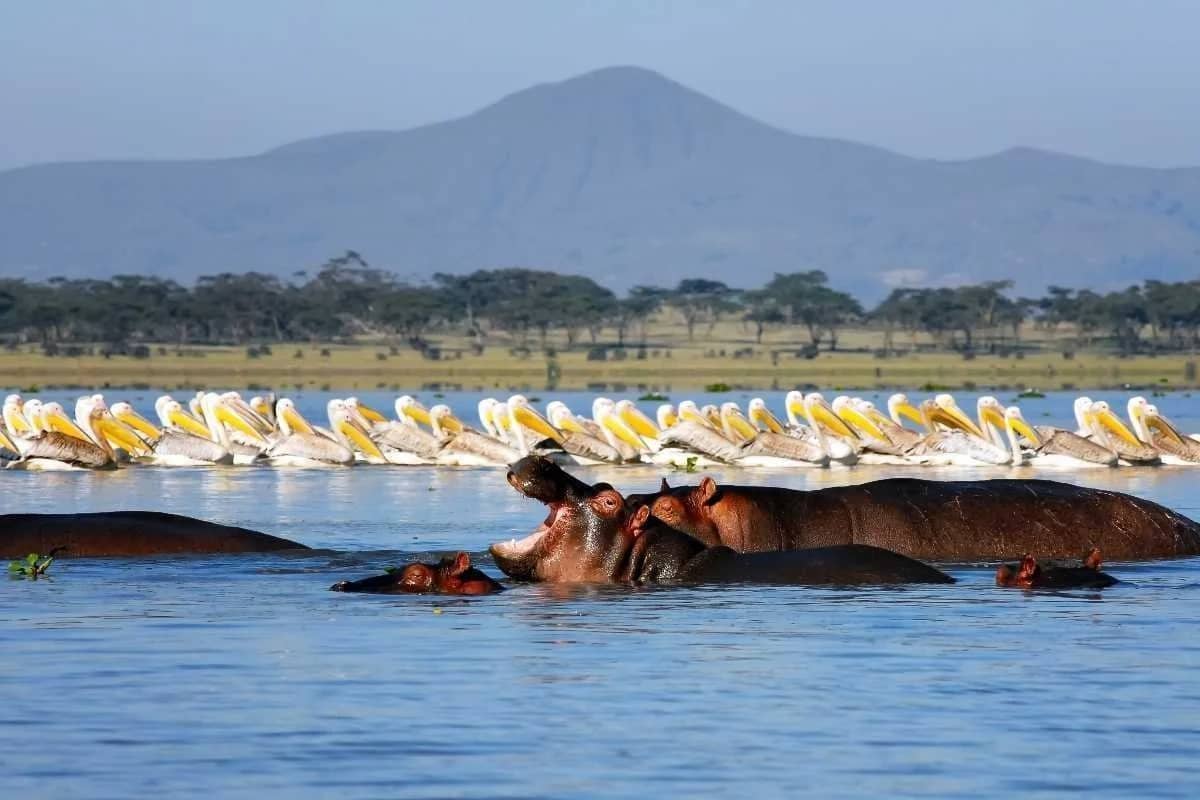
Break the road journey with lakeside scenery and optional boat exploration.
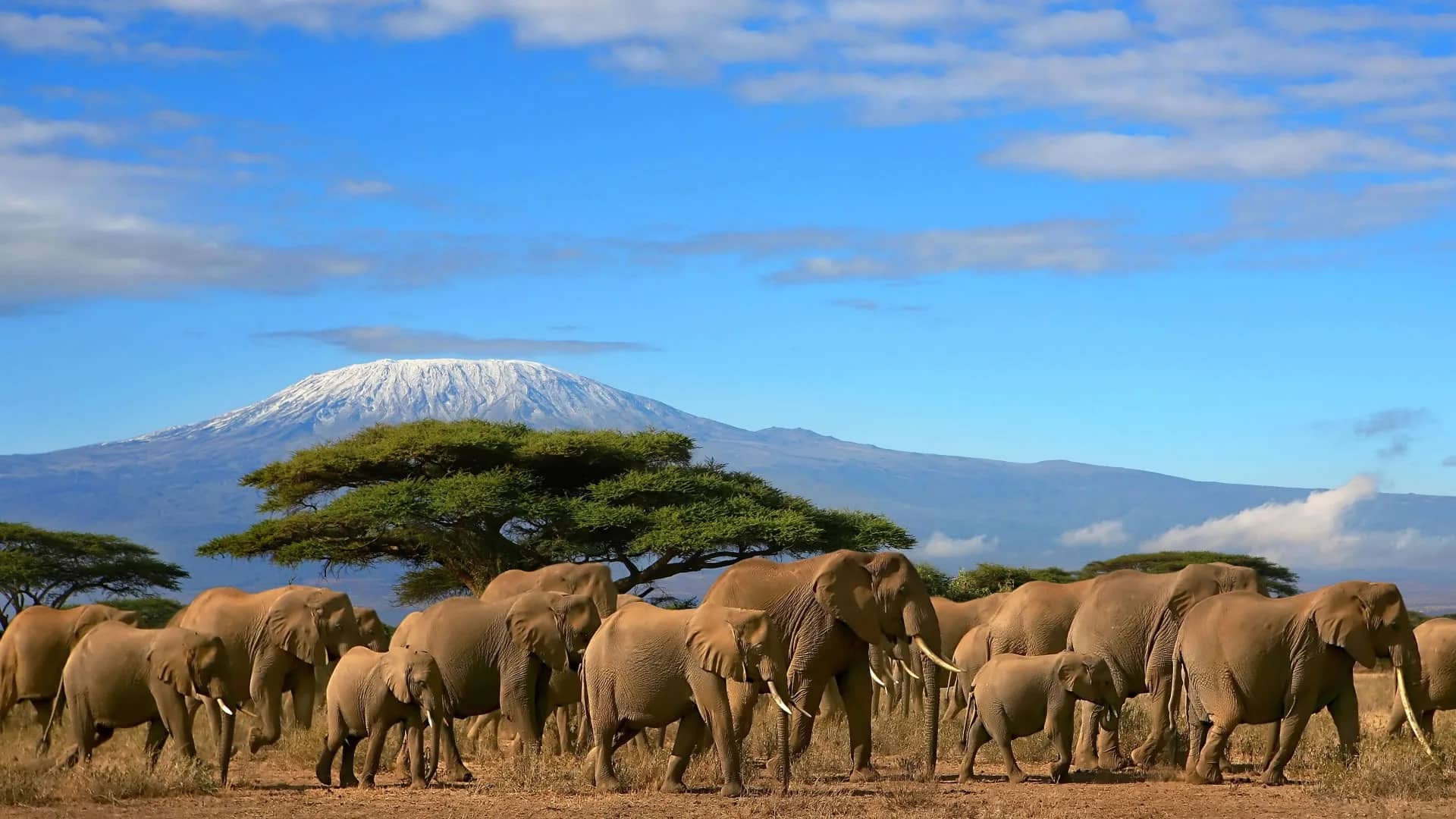
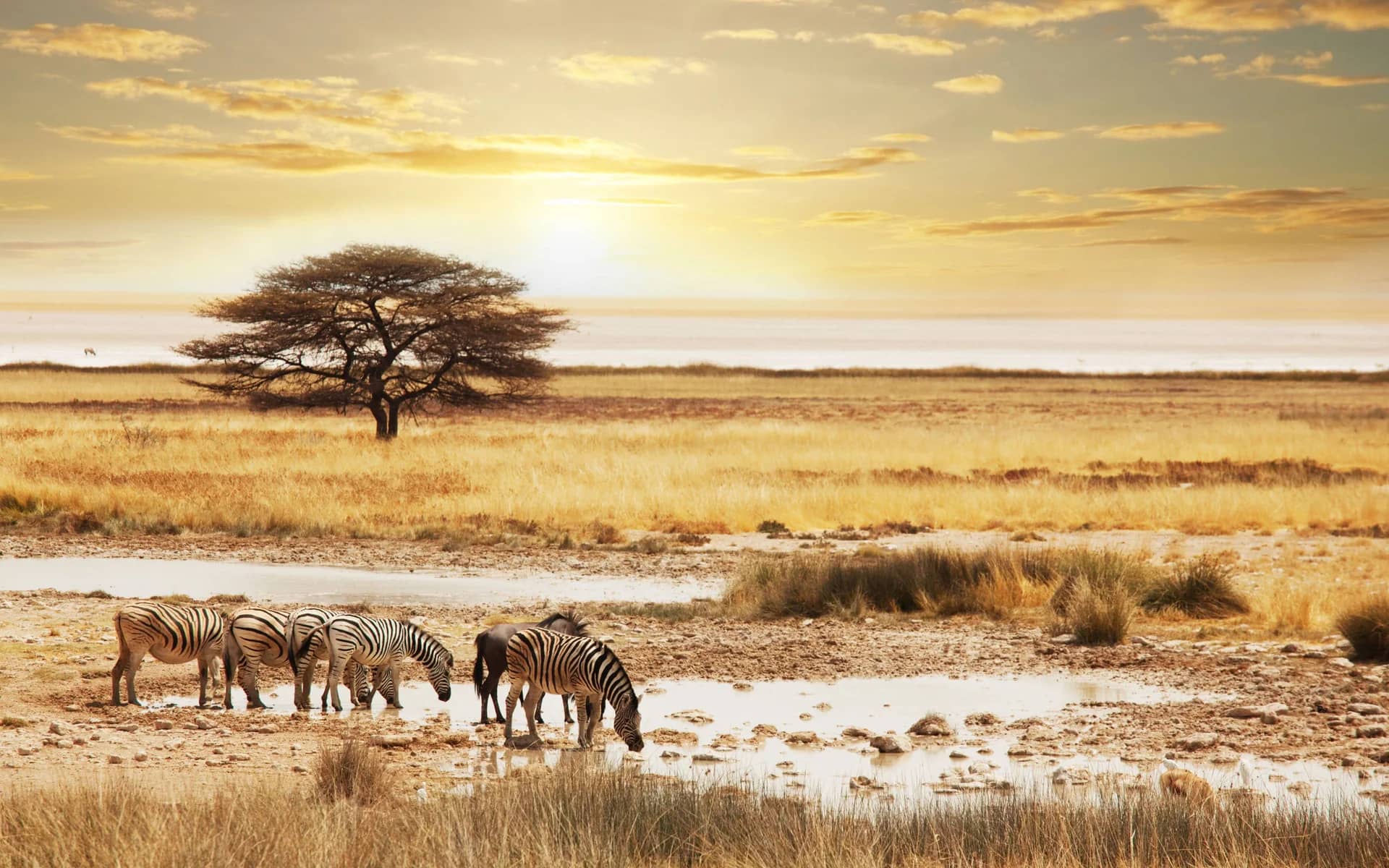
Pair big-cat country with elephant herds and broad southern landscapes.
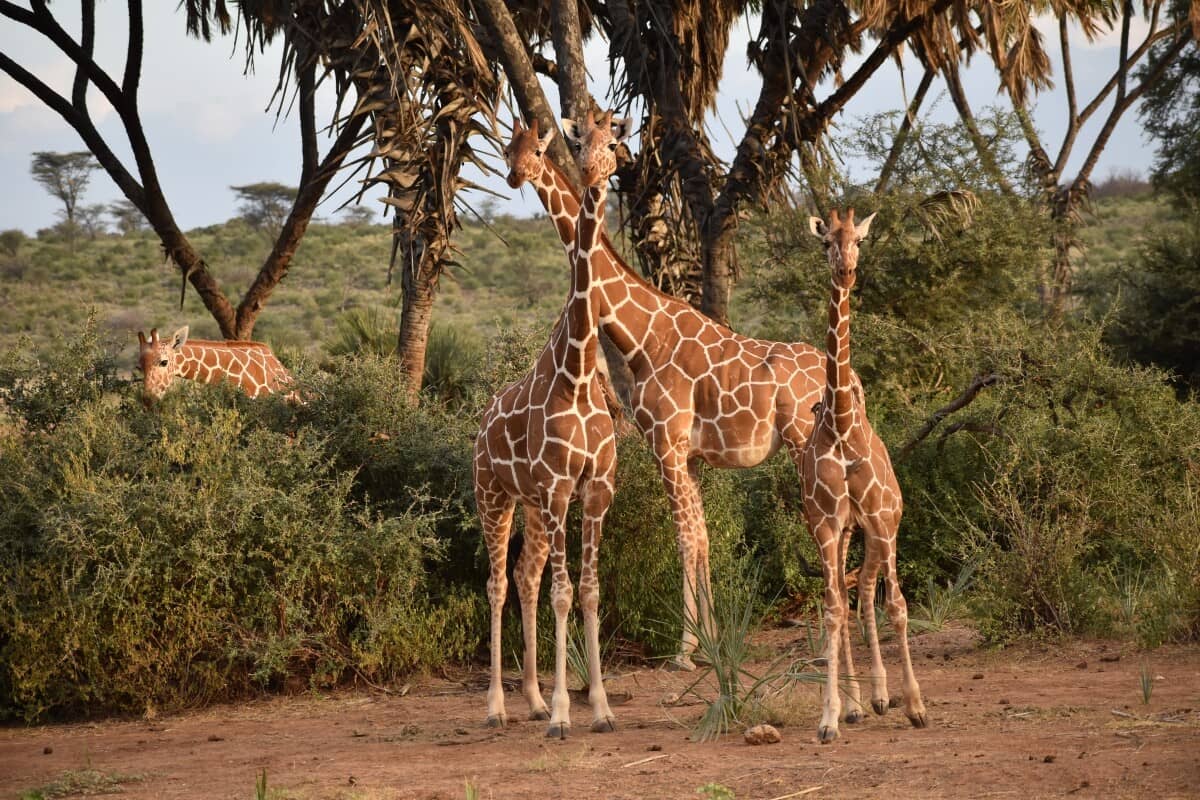
Contrast the Mara's grasslands with Kenya's drier northern wildlife country.
Safaris
Routes that include the Maasai Mara, from short escapes to longer combinations.
 Popular Route
3 daysKenya
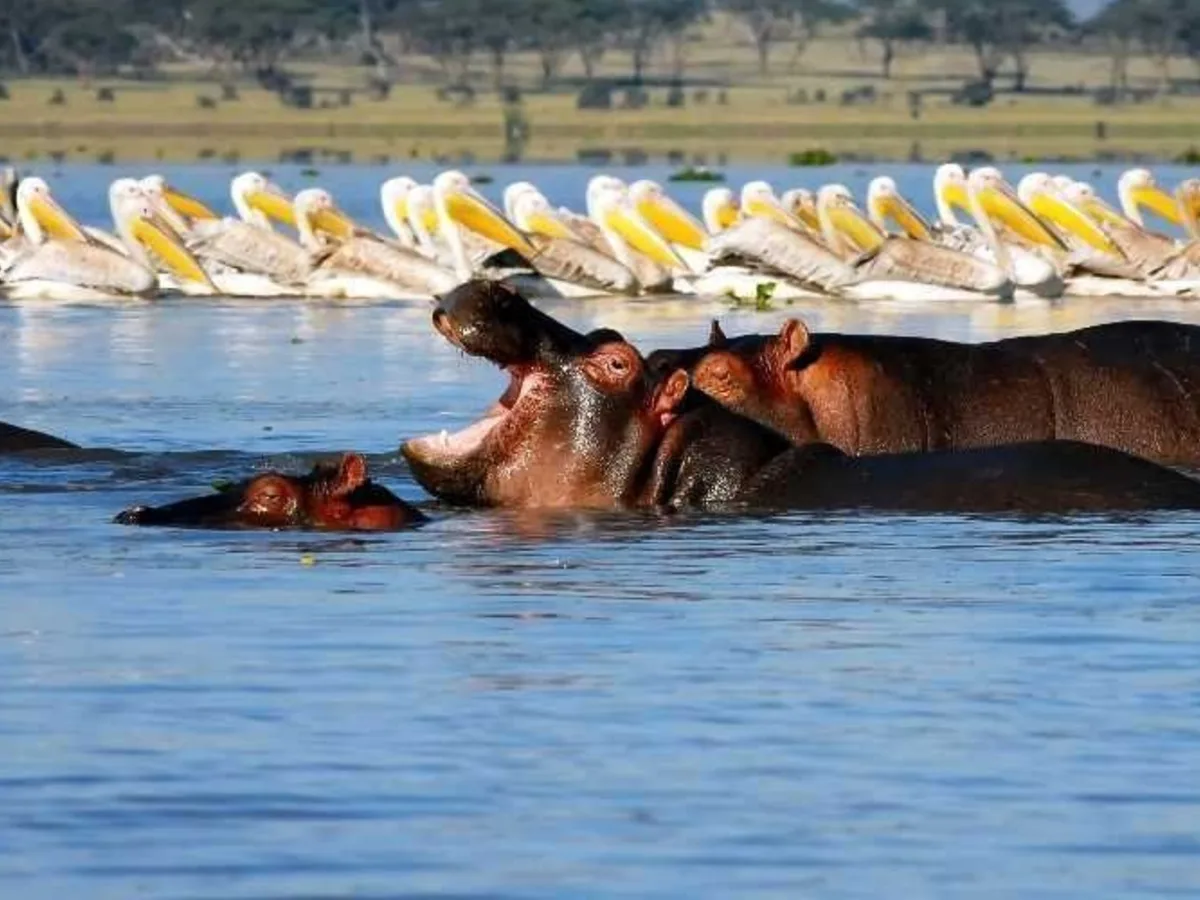
Route: Nairobi · Maasai Mara
 Popular Route
7 daysKenya
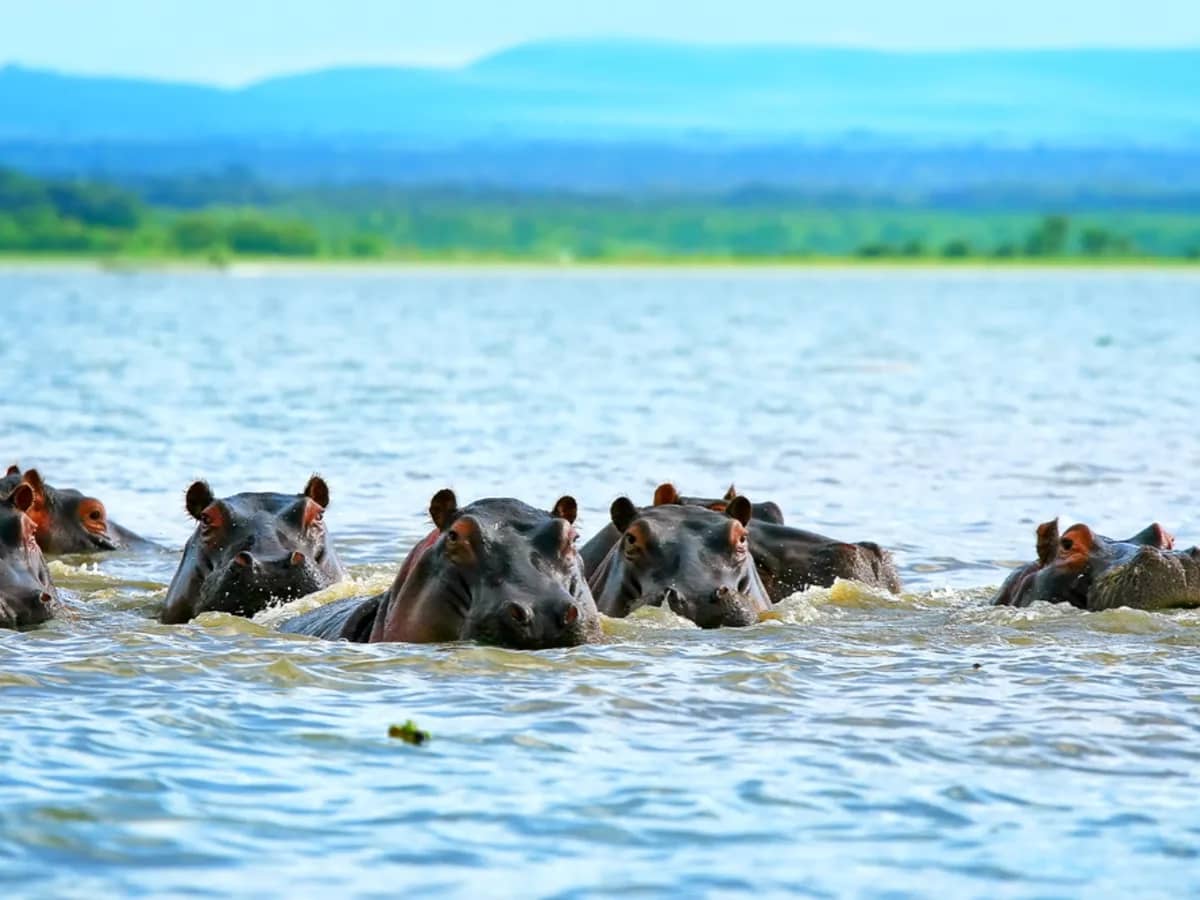
Route: Nairobi · Maasai Mara · Lake Nakuru · Lake Naivasha · Amboseli
 Popular Route
5 daysKenya
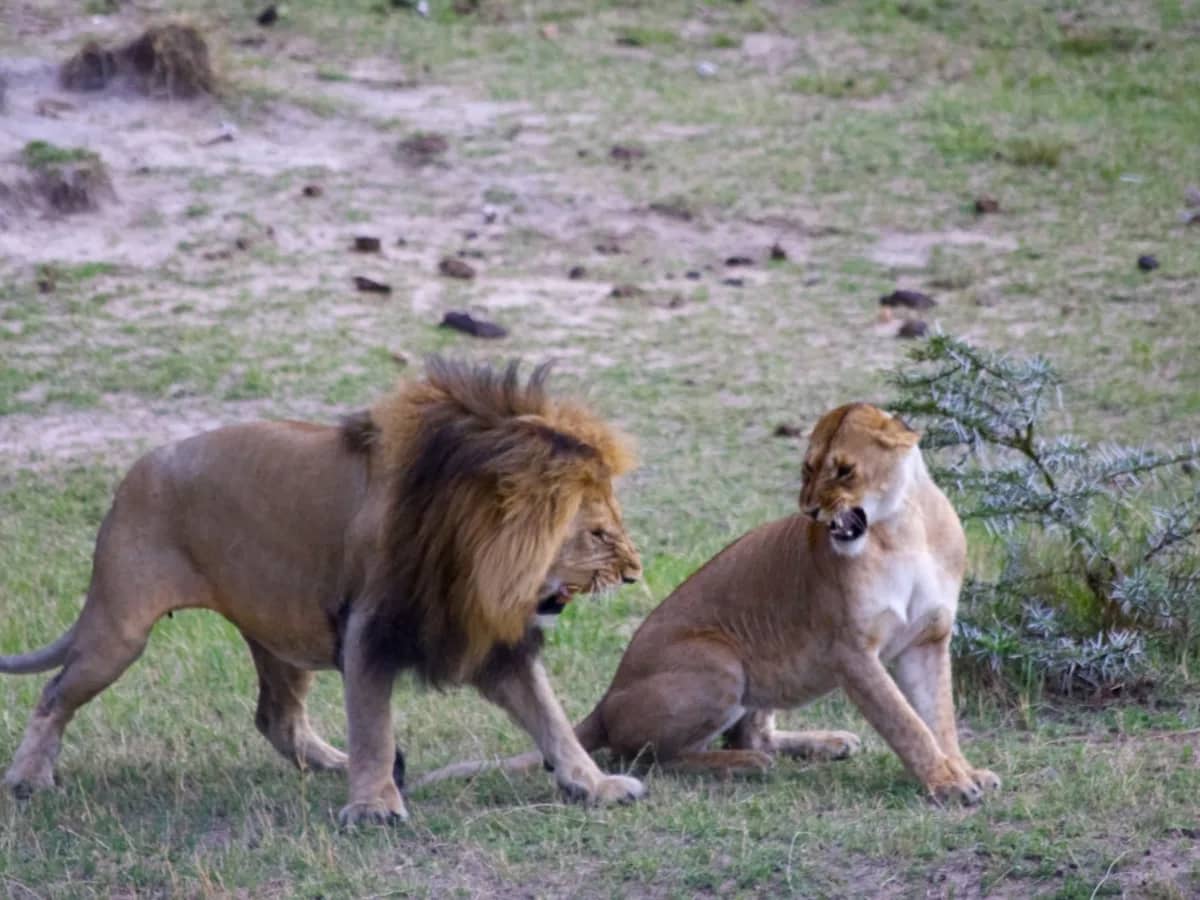
Route: Nairobi · Maasai Mara · Lake Nakuru · Lake Naivasha
4 daysKenya
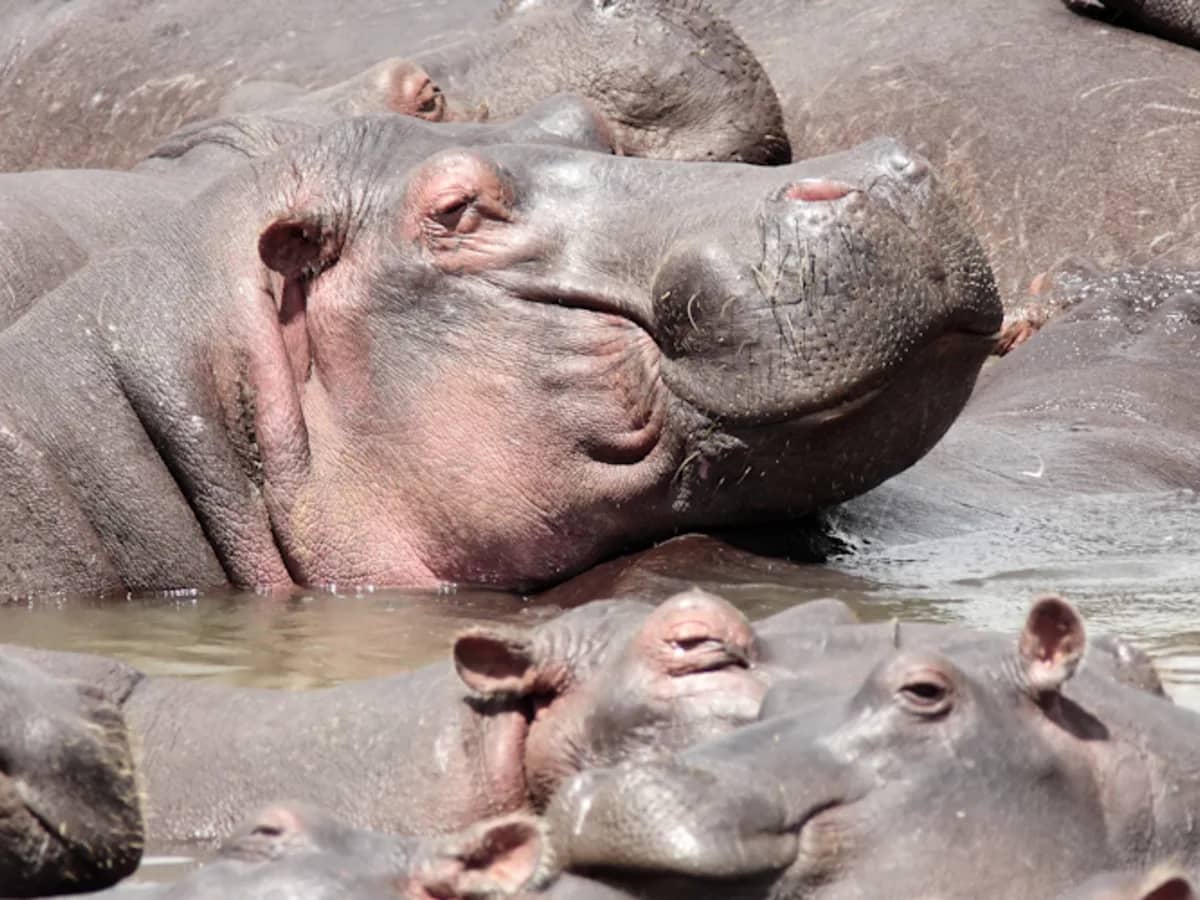
Route: Nairobi · Maasai Mara
6 daysKenya
Route: Nairobi · Amboseli · Lake Naivasha · Maasai Mara
 Kenya & Tanzania
10 daysKenya & Tanzania
Route: Nairobi · Maasai Mara · Lake Nakuru · Amboseli · Arusha + 3 more
Plan with context
Kenya safari planning
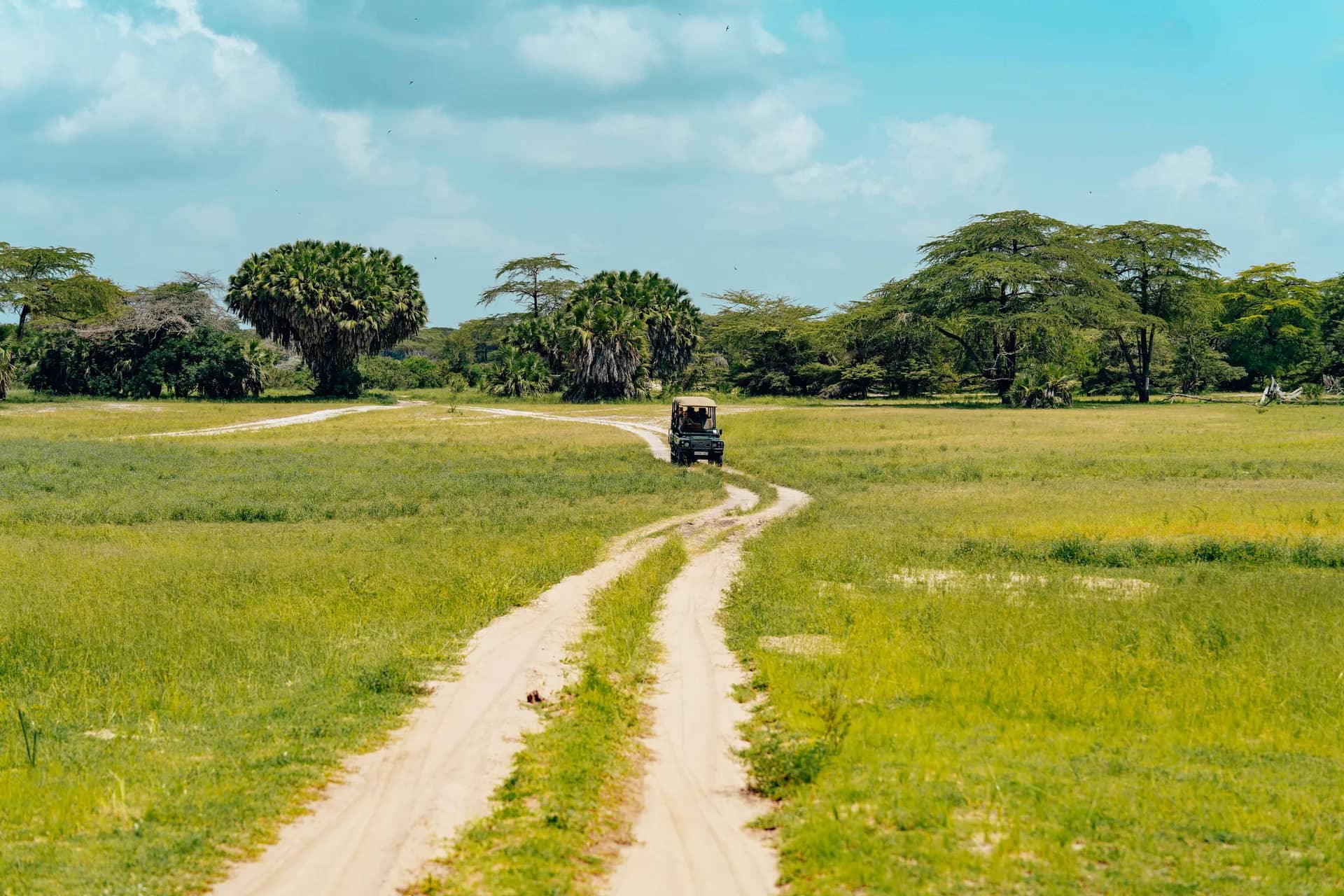
A practical guide to the main factors that shape safari pricing — from accommodation and park fees to private transport, season and trip length.
Useful answers
The Mara offers resident wildlife throughout the year. Drier periods can make game viewing easier, while greener months bring dramatic landscapes and often fewer visitors. July to October is commonly associated with migration activity, but natural movement varies.
No. Herd movements depend on rainfall, grazing and river conditions across the Serengeti–Mara ecosystem. A well-planned safari should value the Mara's resident wildlife as well as the possibility of seeing migration herds.
Two to four nights suits many itineraries. A longer stay gives more time to explore different areas and reduces pressure to chase every sighting in a single day.
It can be an excellent family destination when drive lengths, accommodation and private or shared vehicle arrangements match the children's ages and routines.
The national reserve offers classic public game-viewing areas. Private conservancies often limit vehicle numbers and may offer walking or night drives where permitted. Access rules, costs and atmosphere differ.
Scheduled flights commonly connect Nairobi with several Mara airstrips. The right airstrip depends on your camp and route, so flight details should be confirmed during planning.
Lion, elephant, giraffe, zebra, wildebeest, buffalo and several antelope species are commonly sought. Cheetah, leopard, hyena and many bird species are also part of the ecosystem, but every sighting remains wild and unguaranteed.
Private travel offers more control over pace and stops. Shared departures can be more economical and social. The better choice depends on budget, group size and how you like to travel.
Continue exploring
Kenya's largest protected wilderness, between Nairobi and the coast.
Plan with our Nairobi team
Tell us when you hope to travel and what you want to experience in Maasai Mara. Our Nairobi team can help shape the right route.